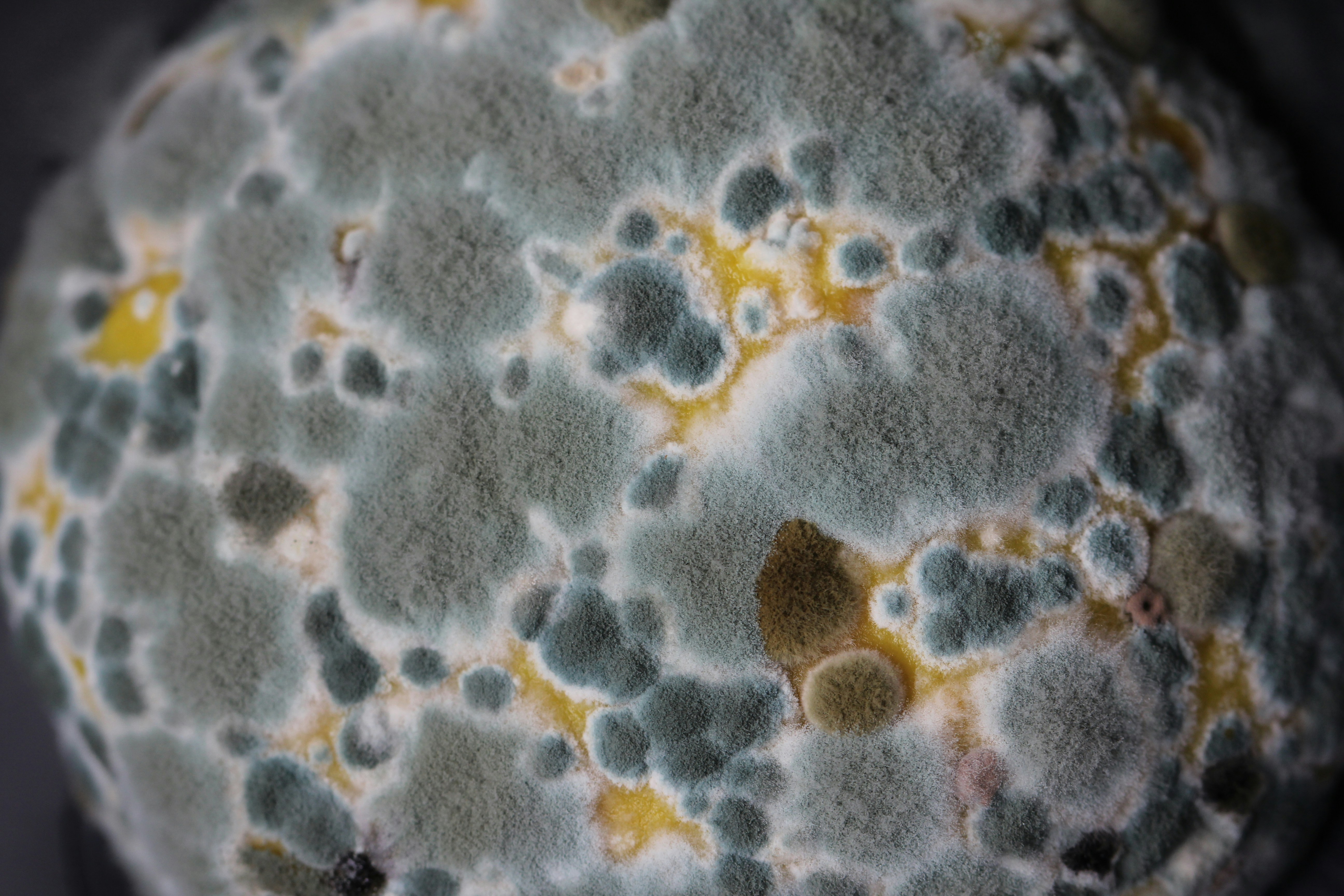
Collapse is the state we are trained to fear most. In a culture shaped by capitalism, collapse is framed as failure, weakness, irresponsibility, or something to be fixed as quickly as possible. Productivity equals worth. Functioning equals safety. Holding it together becomes a moral achievement. So when we can’t hold it together anymore, and when the strategies that have carried us since childhood finally give out; it can feel like we have fallen off the edge of what makes us acceptable, valuable, or even human.
And yet… collapse is often the precondition for real growth rather than the absence of growth. I often grieve for how much less suffering my clients would go through if we were taught this when growing up, because challenge, trauma, and collapse in some form will come to many of us in life as part of life, not apart from life.
Many people who experience a profound physical or emotional collapse have actually been over-functioning for years, sometimes decades. They have been coping, managing, compensating, pleasing, achieving, helping, pushing through; often in ways learned early in life to survive unsafe, demanding, or emotionally misattuned environments. Collapse arrives not because they are weak, but because the cost of staying “functional” has finally exceeded what the nervous system, and the heart, can bear. This mask of functionality is often dissociated from our authentic Self, so is not sustainable for our whole lives if we want to be healthy and happy.
A chapter of collapse is not for the faint of heart. It can be terrifying for so many reasons. It can be disorienting, humiliating, isolating, and profoundly uncomfortable in the body. We also, especially in the US, over medicate valid and normal signs of encountering abnormal situations and adversity in life. This too can delay healing and makes us see our symptoms in a pathological light, instead of being curious about why they are here, and what happened to us to cause them.
There may be fatigue, pain, brain fog, emotional flattening, grief, panic, or despair. From the outside, and, often from the inside too, it looks and feel like an emergency. Everything feels urgent, broken, wrong. But what if collapse is not the enemy? From a trauma-informed neuroscience perspective, what we often call collapse maps is a state in the nervous system called dorsal vagal shutdown, which a state of reduced energy, withdrawal, and conservation. In predatory capitalism where worth equals productivity, this state is often pathologised or framed as something to “push through.” Yet biologically, dorsal vagal responses are protective. It is a hard break when a soft brake of safe slowing down to feel and heal was not available. This response emerges when fight and flight have been exhausted or is no longer viable. The system says: enough. We need to stop bleeding energy. We need to survive, and when safety returns, the system will grow home to rest, repair and connect.
This is an intelligent, ancient response. The nervous system does not shut down randomly. It does so when continuing in the old way would cause deeper harm. Collapse creates a forced pause; a breaking open of patterns that were once adaptive but are no longer sustainable. In this sense, collapse is a cocoon state for us as we grow and heal. When the old roles we played fall away, when the masks we use to stay safe or connected or worthy crack, when we can no longer perform competence or strength or resilience, something quite confronting happens. We are stripped of the external scaffolding that once propped up our sense of worth. The identities that were rewarded; helper, achiever, caretaker, strong one; no longer have the energy to brace against life and ourselves.
This is where internalised capitalism reveals itself most clearly in our daily experience of ourselves. When productivity disappears, many people experience an existential crisis: Who am I if I am not useful? What remains when I cannot produce, perform, or contribute in visible ways? Collapse answers this question not with ideas, but with lived experience.
It will show us, often slowly, painfully, and undeniably; that worth cannot actually be earned through output. That being human is not a transaction. That life does not withdraw its permission for you to exist simply because you cannot function as before. This is an alchemical process; an emergence that begins as an emergency. It is why some of the first skills we teach are self-compassion and radical acceptance. Not to 'regulate the nervous system' as is taught on social media, but to reconnect us to our humanity and innate dignity.
In alchemy, matter (our lives) must first be broken down in some way, which will feel like chaos at first, before it can be re-formed into something new and coherent. Collapse is the dissolution phase. Nothing feels solid. Everything you relied on has fallen apart. It is dark, confusing, and deeply uncomfortable. And, really necessary for many of us.
For a nervous system to genuinely rewire; to move out of survival patterns and into regulation, flexibility, and connection; it often requires a sustained period of safety without performance. What allows a system to emerge from dorsal shutdown is not pressure or fixing, but being held. Being believed in. Being accompanied without demands. Being allowed to rest without being shamed, rushed, or evaluated. Many of us truly do not know how to do that, and my goodness does collapse teach us this!
This relational holding gives the body permission to reorganise. To find new rhythms. To build capacity that is not dependent on self-abandonment. To grow an identity rooted not in doing, but in being. When someone stays close and says, explicitly or implicitly: “I see you. I’m not leaving. I trust that something meaningful is happening here,” the nervous system begins to register safety again. Slowly. Non-linearly. In its own time.
Emergence does not look like a triumphant return to the old life. It often looks quieter, slower, less showy, and more honest. Often, the life that comes after collapse is simpler, less performative, and more aligned. Boundaries are firmer. Relationships are fewer but deeper. Success is redefined. The nervous system learns that rest is not dangerous, needs are not shameful, and connection does not have to be earned.
Collapse is not something to be rushed through or reframed as “a gift” while it is happening. It is hard. It is humbling. It asks everything of us. Mine was the hardest time of my life. And yet as a therapist, I have no fear of collapse in my clients. Within it lives a truth that capitalism cannot tolerate; that growth does not always come from striving, that wisdom is not always productive, and that sometimes, the most profound transformation begins when we finally stop holding it together.
In Befriend, we honour collapse not as pathology, but as process. We meet it with curiosity, compassion, and community. Because when collapse is held;rather than fixed; it becomes the soil from which something truer can emerge.
.svg)